


re:publica
The future
of mobility
Overview
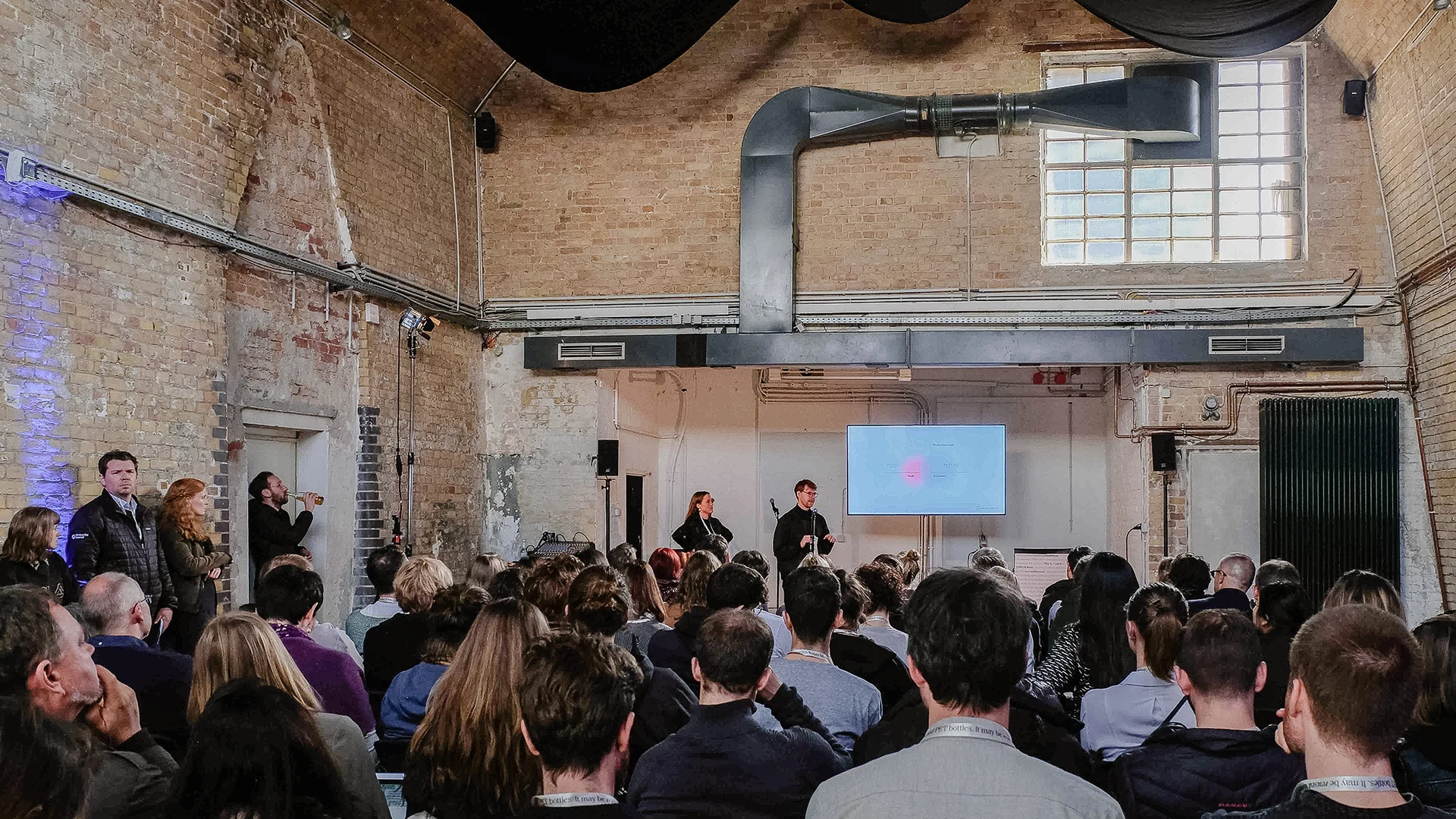
At re:publica conference Wilhelm Rinke and Julie Reindl hosted a talk and interactive workshop on our speculative design project "Where to go?"

Encourage discussion.
Provoke reactions.
At Berliner Ideenlabor, we work as human‑centered designers on products, services, and strategies grounded in the needs of users in the here and now. Yet in our daily work, we often encounter the question of where things should head in the future. The future brings risks and uncertainties for each of us as individuals, but also for teams and organizations. That’s why we’ve developed a process that takes you on a journey into what lies ahead.

Introduction:
The project "Where to go"
Using the project "Where to go" as an example, we adapted speculative design into a practical innovation method for the Berliner Ideenlabor. We created a tangible format that we now use in our projects with partners, an exciting way to spark active future‑shaping within organizational practice and to support our partners in strengthening their future readiness.
Our initial hypothesis for the project was this: through speculative design, we can derive potential future needs, because any work on – or toward – the future is always based on assumptions. In a co‑creative backcasting process, three artifacts are developed. Each artifact is followed by a round of user research. With every new artifact, we move from a distant future perspective, gradually closer to the present, allowing us to draw meaningful conclusions for today.
What we learned from the project
Our key learning from the project was this: with speculative artifacts, we can infer – among other things, but not exclusively – FUTURE NEEDS. At the same time, we can spark DISCUSSIONS about people’s personal futures and provoke REACTIONS that offer valuable insights for the future of our work.
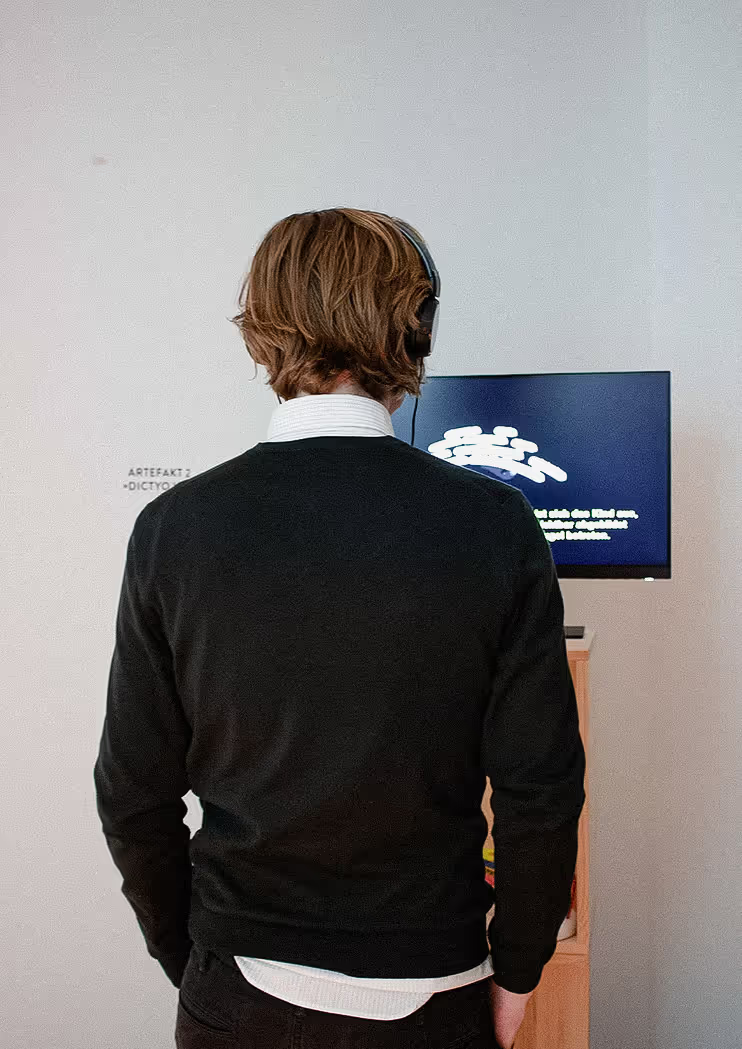
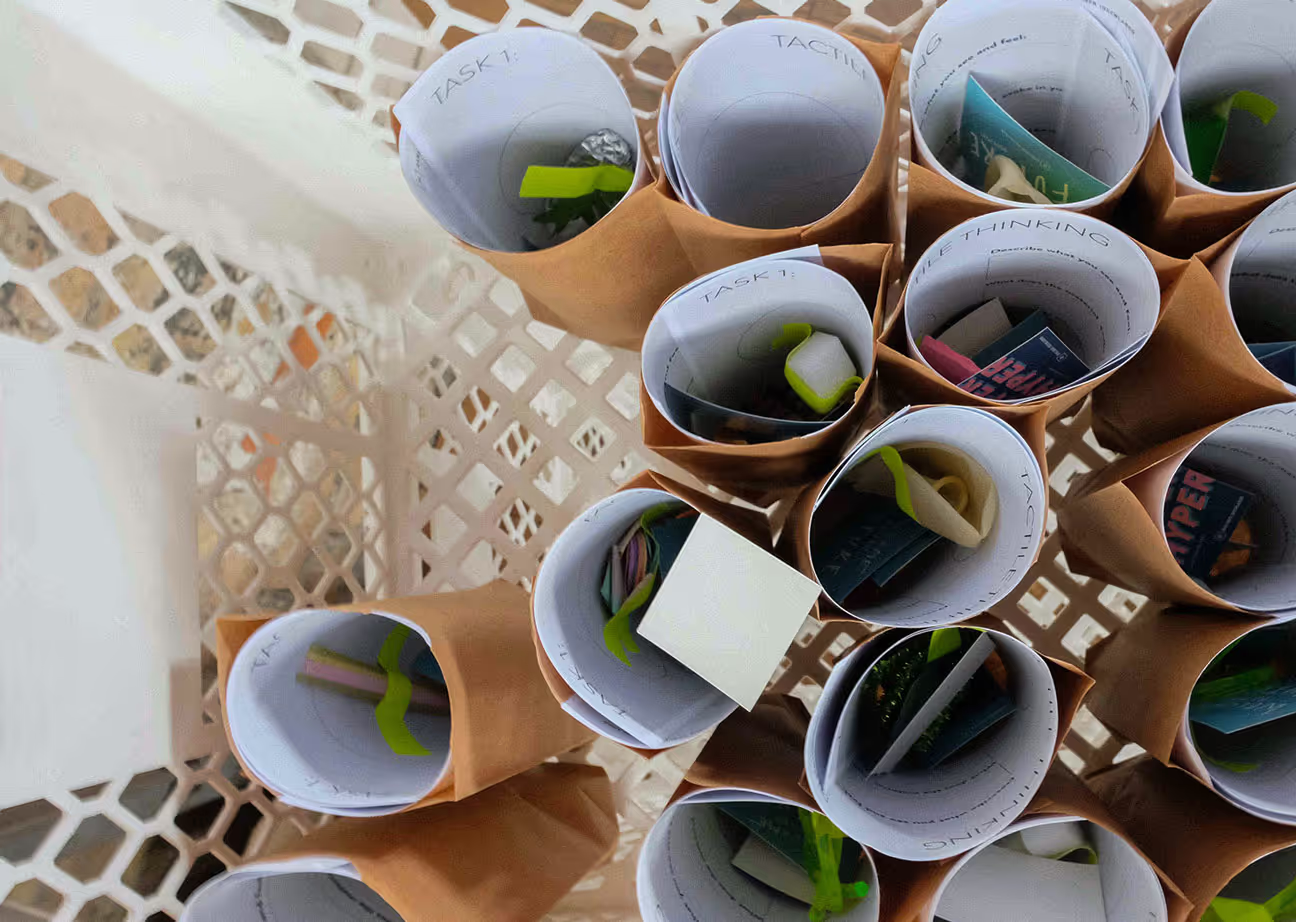
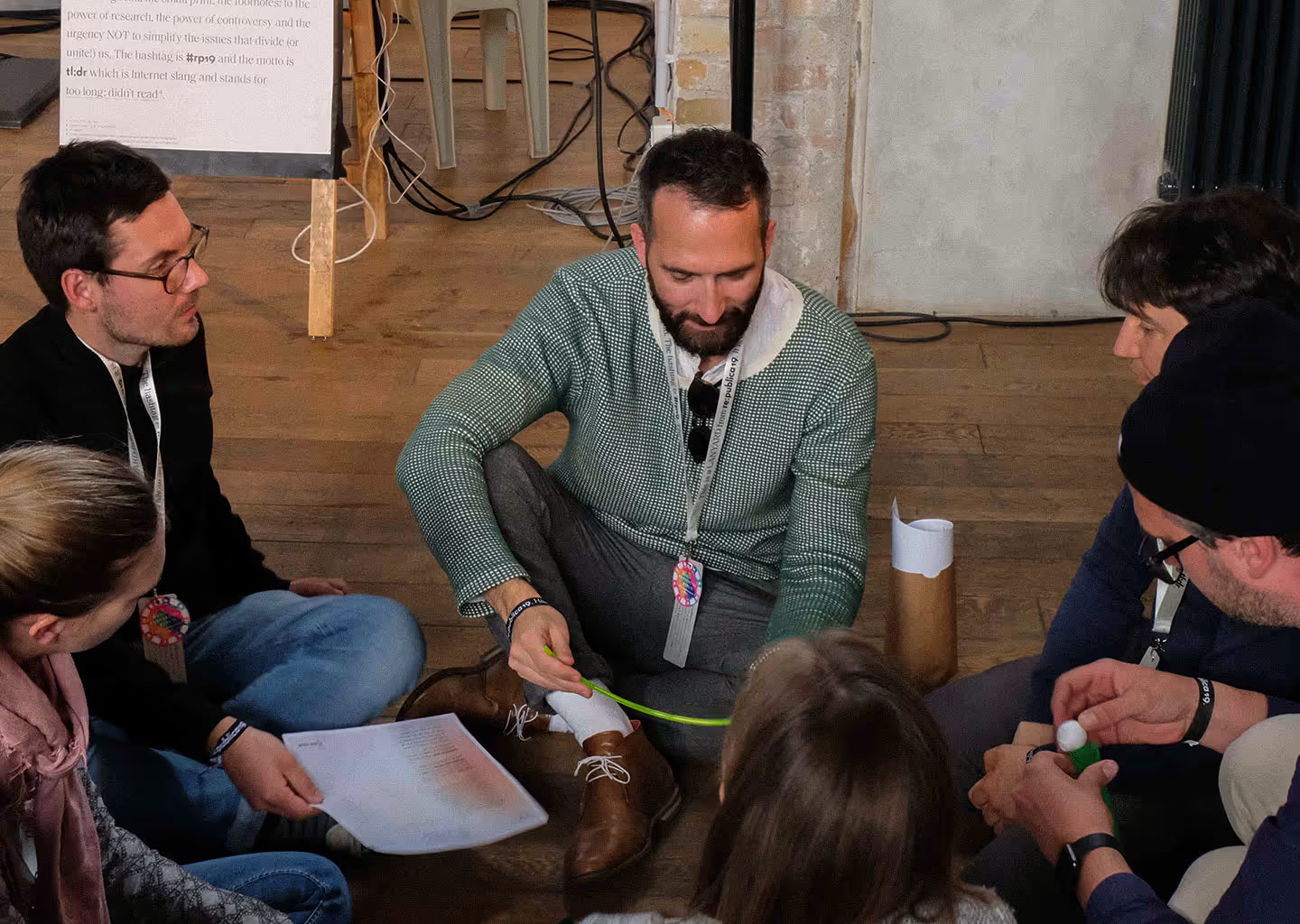
After presenting our thoughts, learnings, and the overall process to the audience, we showed them the "Moving Parts" video to immerse them in the future scenario. Each group then received an individual material surprise bag, containing two templates that explained the two steps and tasks of the workshop, along with a special material (such as a piece of seat belt, a plant, electronic waste, sand, etc.).
The workshop
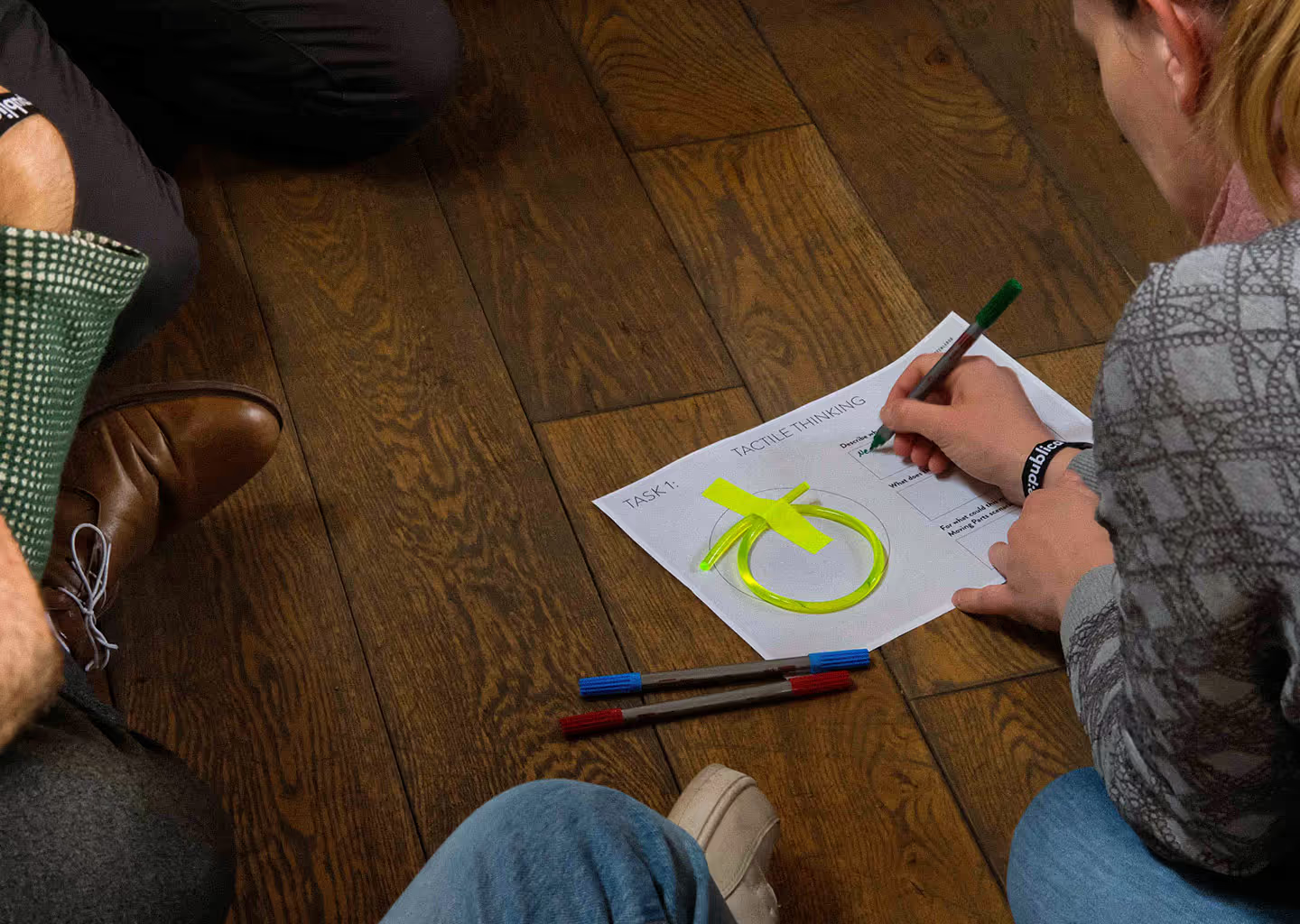
Step 1: TACTILE THINKING
Participants were asked to feel the material and note down their associations or emotional responses. What happened when they touched it? Afterwards, we posed the question: What purpose could this material serve within the "Moving Parts" scenario?
Step 2: ARCHAEOLOGY OF FUTURE
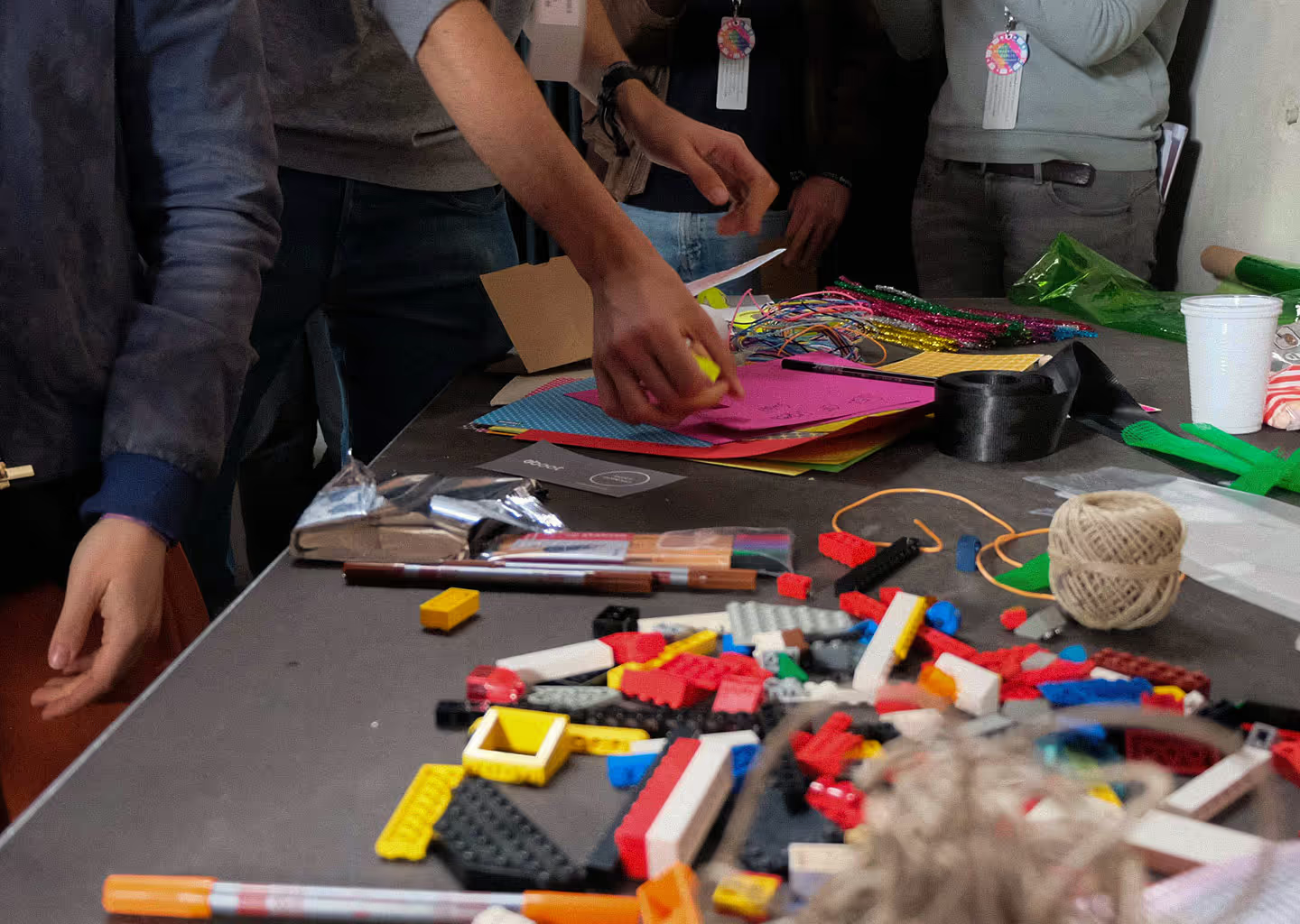
Building on their immersion in the "Moving Parts" scenario, the material, and the associations from Step 1, the groups derived potential future needs. They then translated these into an artifact designed to meet those needs, whether as a product, a service, or a new scenario.
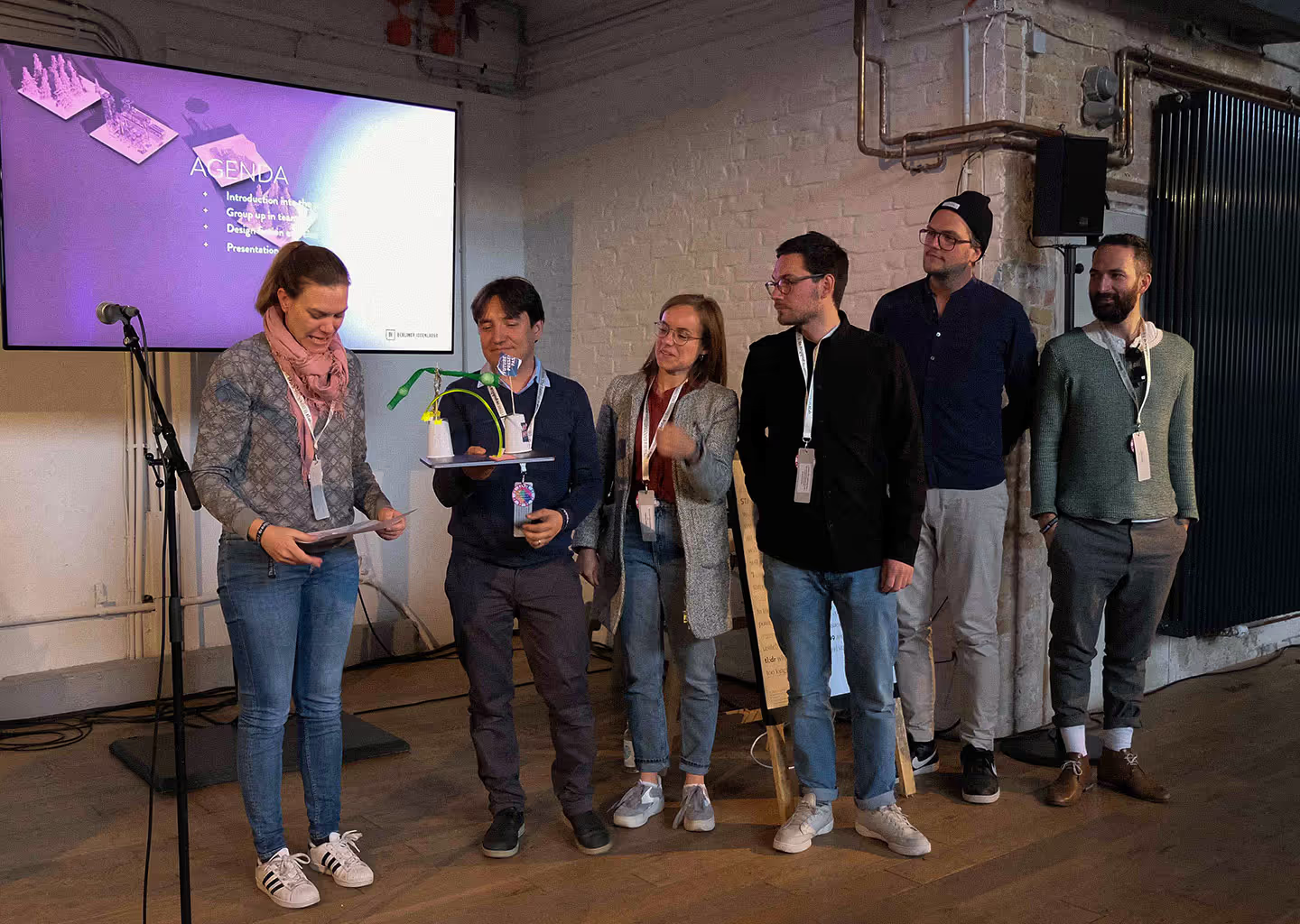
In a fast prototyping session, the groups co‑creatively shaped their artifact and presented it to the other participants.
Results & reflections
We are consistently amazed by the inspiring results that emerge in such a short amount of time. All outcomes and ideas showed that even though the overarching theme is "autonomous mobility", the project – and speculative design as a whole – encourages us to actively shape how we will live together in the future, as engaged members of society. It prompts us to ask: Which futures do I want, and which do I not want? It opens up space for discussion and sparks meaningful reactions.
The main question
How can we use artifacts as prompts to spark conversations about desirable futures?
Discover more
From current projects to selected case studies and inspiring methods. Explore how we work and the formats we use.
Our card set for Design Thinking and Futures Thinking: 60 cards for holistic forward thinking.

Futures thinking broadens the focus beyond the current needs of users and creates valuable future perspectives through trend analysis and scenario building.
Interested?
Simply write us a message in the contact field. Or send us an email:
hallo@berliner-ideenlabor.deLet’s Co-Create Futures
