


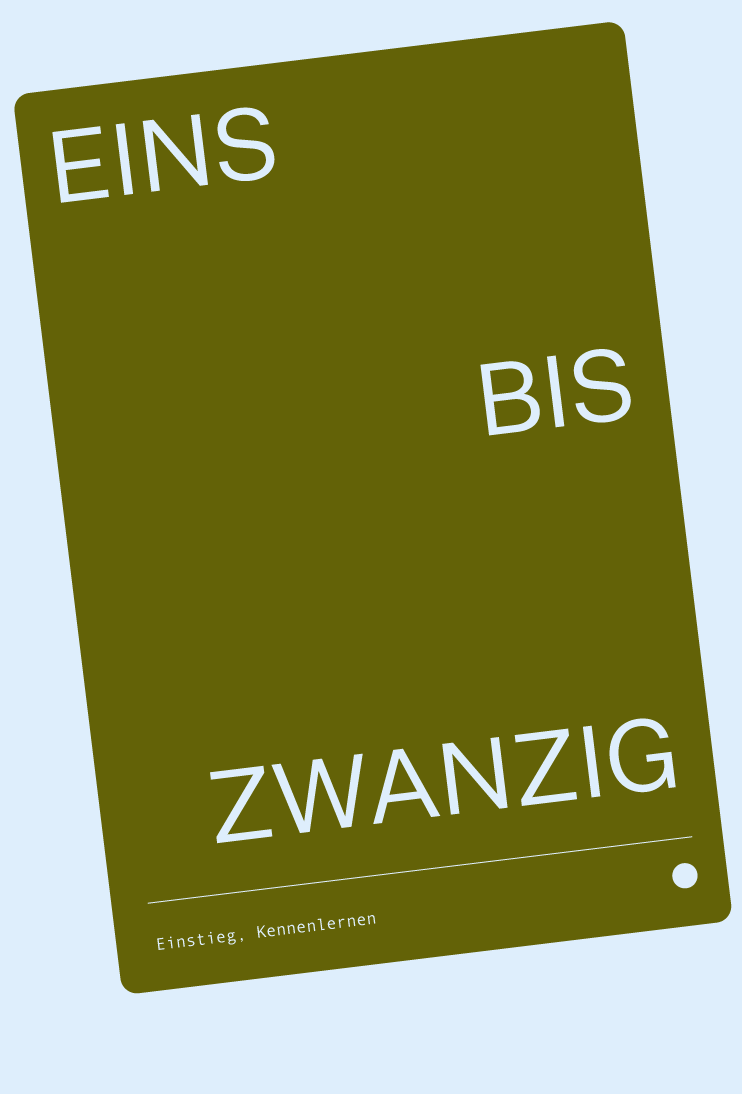
Duration: 5–10 minutes
Group size: 3–15 people
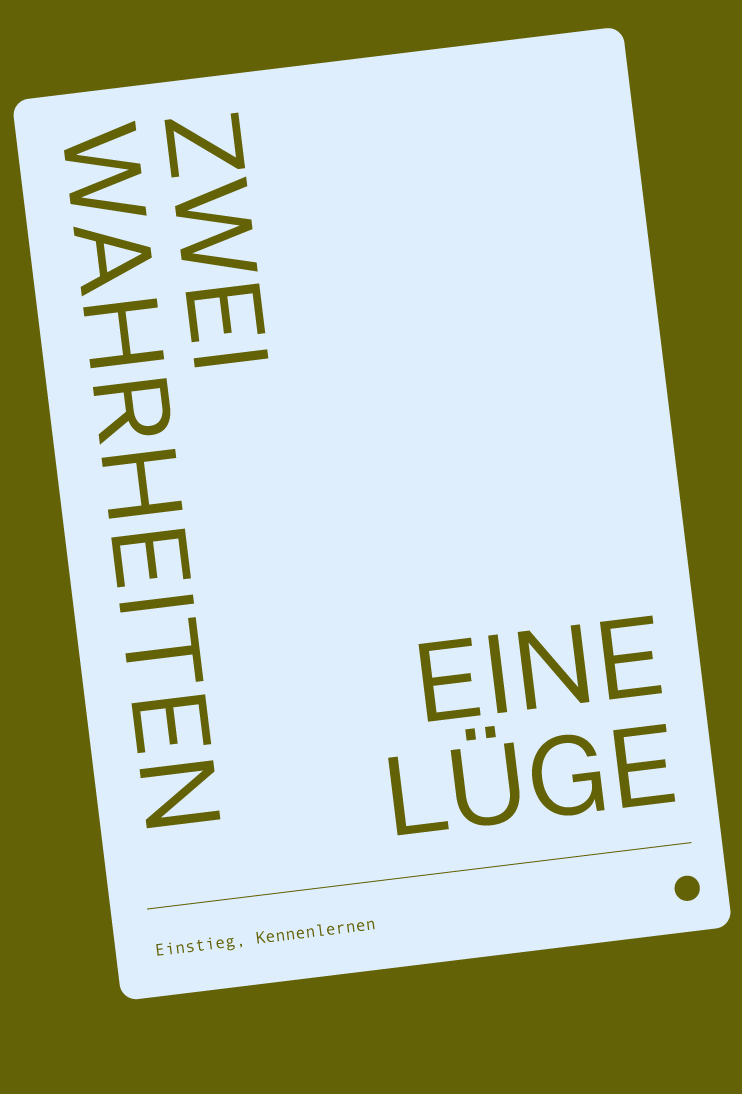
The task for the group is to count together from 1 to 20. There is no fixed order, and you may not coordinate nonverbally through facial expressions or gestures. If two or more people say the same number at the same time, the entire group has to start over from the beginning. The warm‑up ends once you’ve successfully reached 20 without any interruptions.
Warm-ups: analog & digital

Overview
Just as athletes warm up before training or competition to prepare their bodies for the effort ahead, warm‑ups help prepare the mind for the demands of a meeting or workshop.
The benefits of warm‑ups for your team
Warm‑ups help participants shift into the working mindset and create an atmosphere that is both energized and focused. They’re more than quick energizers or playful mini‑games – they create space for shared reflection within the team. Depending on the phase of your process and the method you choose, they can offer a meaningful entry point into mindful listening or creative work.
The Planning
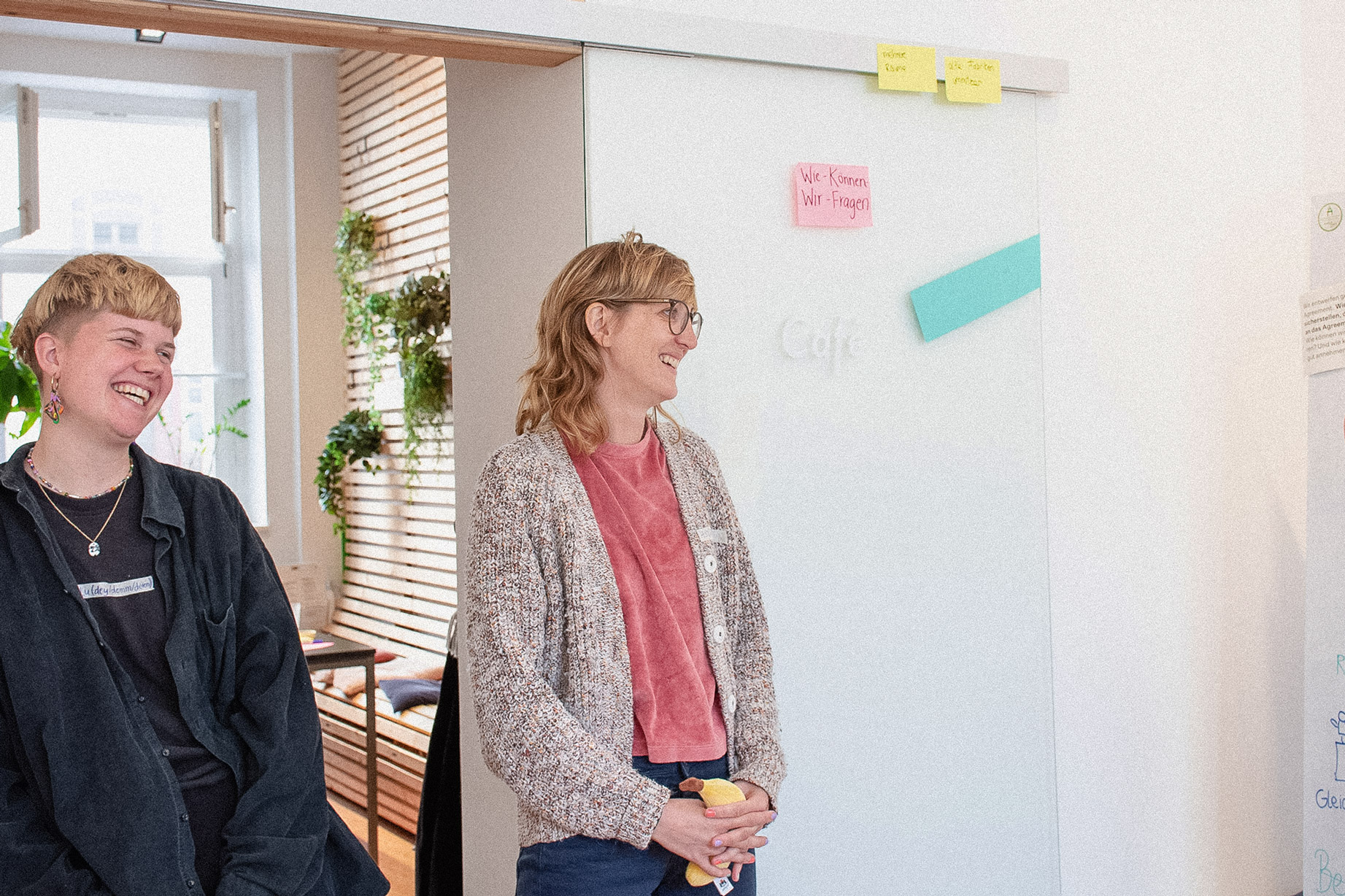
Allow enough time for the warm-up in your schedule. Prepare any necessary materials or set up a template on your online whiteboard. Many warm-ups are effective with large groups – participants can move around the room freely, stand in a circle or switch to gallery view in a digital setting. Some warm-ups are better suited to small groups or pairs. Think ahead about which group size is best for the next step and how you want to divide the participants, whether in person or online. Also consider the purpose of your warm-up and what you want to achieve.
Set goals

Team-building


Does the warm-up serve as an introduction to the workshop and a way to get to know each other? Do you want to use the warm-up to promote team building?
Creativity
Do you want to awaken the creative potential of your participants? Do you want to encourage them to think outside the box?
Energy
Do you need an energizer after a break or lunch? Or do you want to create a loose atmosphere?
Focus
Do you want to sharpen the focus and concentration of participants before starting a work session?
From our practice
Different contexts call for different warm‑ups. Here you’ll find eight of our most tried‑and‑tested formats for both in‑person and digital workshops. Give participants a clear and concise explanation of what to do – then watch what unfolds.
Duration: 10 min
Group size: unlimited
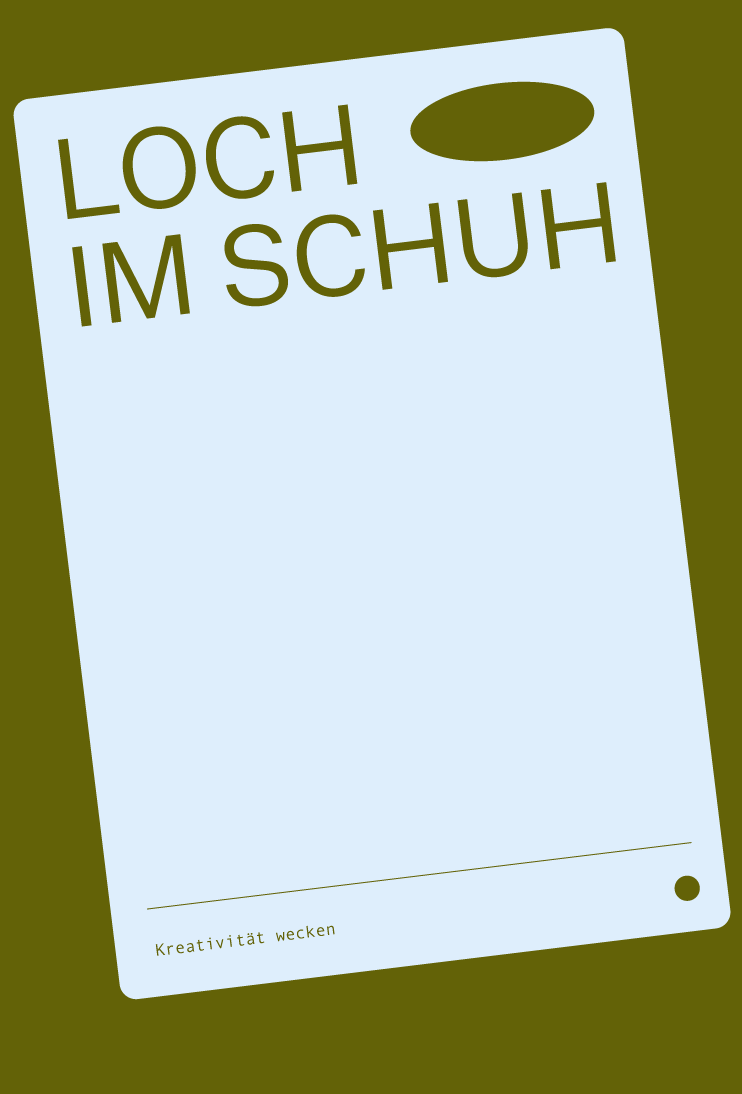
Person 1 starts with "I have a problem… " and adds something completely invented, for example " …I have a hole in my shoe." Person 2 then comes up with a random object that has nothing to do with the problem – "Look, I’ve got a broom for you" – and acts it out with a fitting gesture. Person 1’s task is to find a creative way to solve the problem using that object: "Thanks! …now I can use the broom handle to stuff leftover leather into the hole."
After that, the two switch roles, then find a new partner and the game starts again.

Duration: 6 minutes
Group size: unlimited
For this warm‑up, each person needs a sheet of paper they can tear.
Before you begin, think of your favorite animal. You now have 3 minutes to fold or tear the paper into the shape of that animal. This has to happen behind your back, so you can’t see what you’re doing. When the time is up, everyone brings their paper creation back out from behind their back, and the group takes turns guessing which animal it’s supposed to be.
An additional tip!
A certain level of fun can be a great catalyst for open and joyful collaboration – but only when these activities take place in a respectful and psychologically safe environment. Make sure that, even if the mood becomes lively, everyone continues to treat one another with consideration. Pay attention to when participants might feel overwhelmed, and adjust the energy accordingly.
Interested?
Simply write us a message in the contact field. Or send us an email:
hallo@berliner-ideenlabor.deThank you! Your submission has been received!
Oops! Something went wrong while submitting the form.
Doscover more
Here you’ll find a selection of methods, frameworks, and ways of working that we’ve successfully used in projects, coaching sessions, and workshops.
Methods
Design Thinking
Design Thinking is an innovation approach that focuses on the human‑centered and holistic creation of products, services, and strategies.

Let’s Co-Create Futures
